
Tile Installation in Bolivar for kitchens, bathrooms, and entry areas requiring waterproof surfaces
Substrate failure shows up years after tile installation when grout cracks, tiles pop loose, or water seeps through to the framing below. Stronghold Structures installs ceramic, porcelain, and natural stone tile with substrate preparation and waterproofing that prevent these failures in high-moisture areas. Proper installation matters most in older Ozark homes where original bathroom framing lacks modern moisture barriers, and in new construction around Springfield suburbs where code-compliant shower pan installation determines whether the tile job lasts five years or thirty.
The process begins with substrate inspection to verify the underlying surface is stable, level, and appropriate for tile weight, followed by waterproofing membrane application in wet areas. Thinset mortar bonds tile to the substrate, with grout mixed to manufacturer specifications and sealed after curing to resist moisture penetration and staining.
Arrange an on-site consultation to review substrate conditions and determine whether additional waterproofing or leveling is needed before tile work begins.
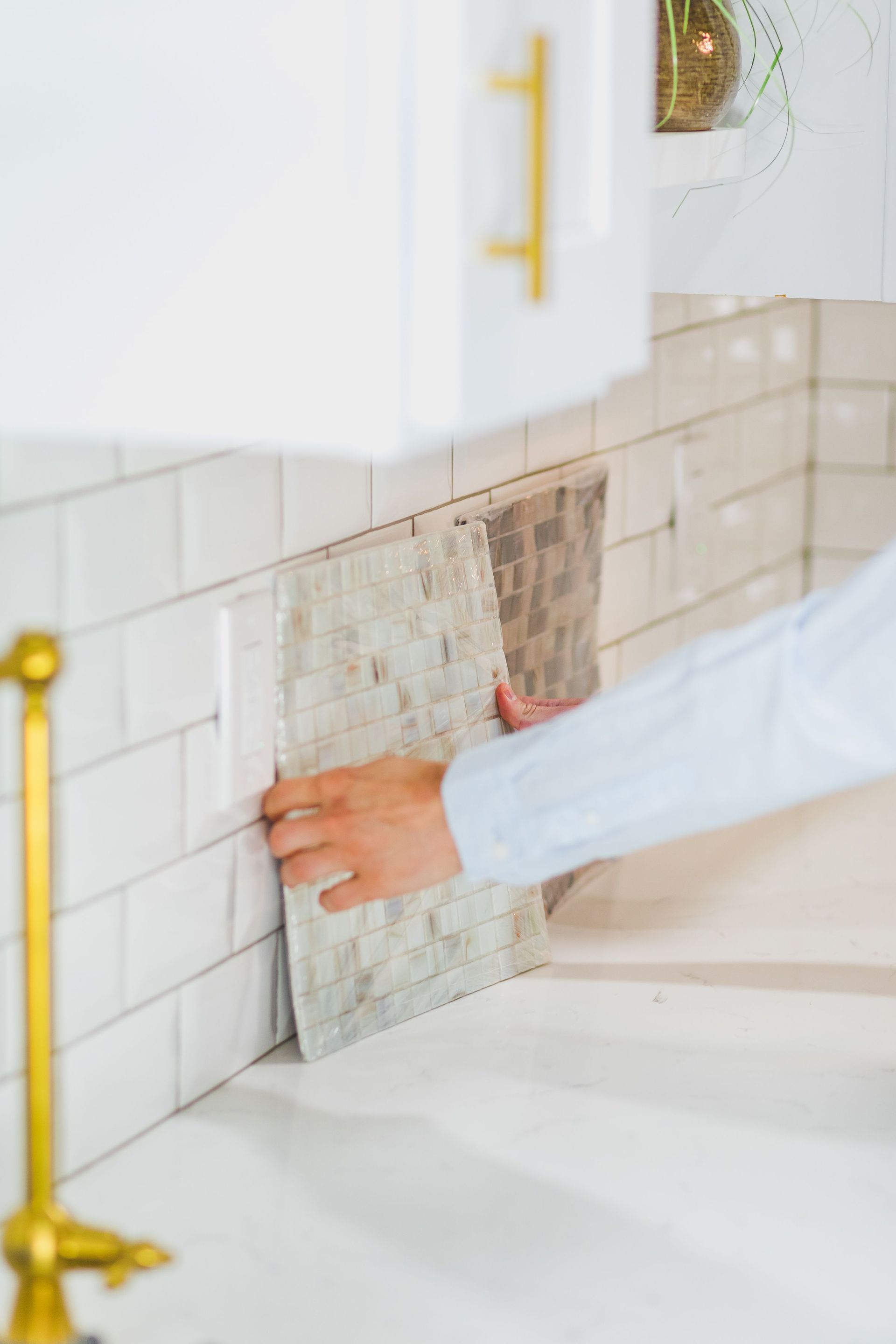
How Tile Installation Addresses Moisture Exposure
Wet area installations require slope verification to ensure water drains toward the fixture rather than pooling against walls or seams. Waterproofing membranes get applied to cement board or mortar bed substrates before any tile goes down, creating a barrier that protects framing even if grout eventually develops hairline cracks. Thinset application follows manufacturer-specified trowel size based on tile dimensions, which determines how much mortar contacts the back of each tile and prevents hollow spots that lead to cracking under foot traffic.
After installation, you'll notice grout lines stay clean longer because proper sealing blocks moisture and dirt penetration, and tiles remain firmly bonded without hollow sounds when tapped. Shower floors drain completely without standing water, and floor transitions between tile and adjacent surfaces sit flush without lips that catch feet or debris. Quality subcontractor relationships allow Stronghold Structures to handle specialty tile work like large-format porcelain or intricate mosaic patterns that require advanced layout and cutting skills.
Substrate issues discovered during demolition trigger a change order process with updated timeline and cost information, because installing tile over compromised underlayment guarantees premature failure regardless of surface workmanship. Projects involving older homes often reveal water-damaged subfloors or out-of-level framing that must be corrected before tile installation proceeds.
Answers to Frequent Service Questions
Tile projects involve decisions about materials, substrate requirements, and realistic timelines. These answers clarify what the installation process involves and what outcomes you can expect.
What substrate preparation does tile installation require?
The underlying surface must be structurally sound, level within industry tolerance, and appropriate for the tile type—cement board for wet areas, uncoupling membrane over wood subfloors, and mortar bed for heavy stone installations.
How does Bolivar's climate affect tile installation?
Missouri's humidity swings require proper acclimation of cement-based materials and extended curing times during high-humidity months to prevent thinset bonding failures and grout cracking as materials dry.
When should grout be sealed after installation?
Grout requires full curing before sealer application, typically seven to ten days depending on humidity and ventilation, and sealing protects against staining and moisture penetration that degrades grout over time.
What happens if substrate damage is found during demolition?
A change order is issued with cost and timeline adjustments, because damaged subfloors or water-compromised framing must be replaced before tile installation can proceed without risk of future failure.
How long does a typical bathroom tile installation take?
Most bathroom projects span one to two weeks including substrate prep, waterproofing, tile setting, grout curing, and sealing, with additional time if substrate replacement or custom layout is required.
Stronghold Structures handles tile installation with attention to substrate integrity and moisture protection that determine long-term performance. Contact us to discuss material options and substrate assessment for your specific project.