
Mold Remediation in Bolivar for homes with basement humidity, water intrusion, or ventilation failures
Mold growth accelerates in environments where moisture persists, and older homes around the Lebanon area commonly experience contamination in basements with poor ventilation, crawlspaces lacking vapor barriers, and behind wood siding that traps water against framing. Stronghold Structures identifies the moisture source causing mold growth, removes contaminated materials, treats affected surfaces with antimicrobial solutions, and addresses the underlying water or humidity problem to prevent recurrence. High humidity in crawlspaces and seasonal water intrusion create conditions where mold colonizes wood framing, insulation, and drywall within forty-eight hours of moisture exposure.
Remediation begins with moisture source inspection to determine whether the problem stems from groundwater seepage, plumbing leaks, roof damage, or inadequate ventilation. Contaminated drywall and insulation get removed and disposed of properly, and HEPA vacuuming captures airborne spores before antimicrobial treatment is applied to framing and other non-porous surfaces.
Schedule a property evaluation to identify moisture entry points and assess the extent of contamination before removal work begins.
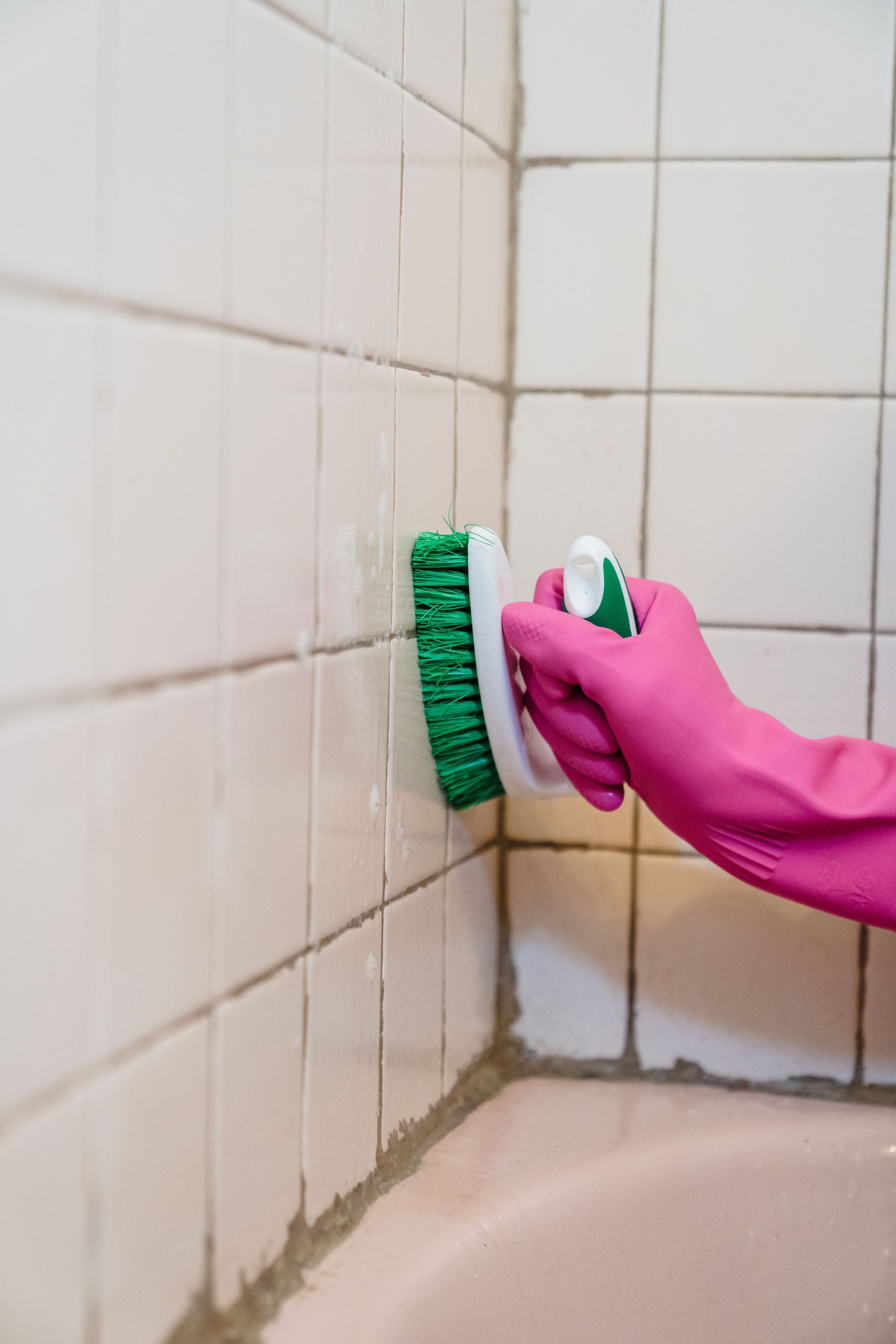
What Mold Remediation Prevents Long-Term
The remediation process requires containment of affected areas to prevent spore migration during material removal, with negative air pressure and plastic sheeting isolating work zones from occupied spaces. Moisture barriers get installed in crawlspaces after contaminated insulation is removed, and ventilation assessment identifies whether additional airflow or dehumidification is needed to maintain humidity levels below sixty percent. Follow-up moisture monitoring confirms the source has been eliminated and conditions won't support new growth.
Once remediation is complete, the musty odor disappears, visible mold no longer appears on surfaces after cleaning, and humidity readings stabilize in the normal range. Crawlspaces with new vapor barriers stay dry even during heavy rain periods, and treated framing shows no signs of new colonization when inspected months later. Licensed crews handle containment and disposal safely, following protocols that protect both workers and occupants during the removal process.
Projects tied to water damage restoration often reveal mold contamination that exceeds initial visual assessment once materials are opened. Change orders are issued when hidden growth is discovered behind walls or under flooring, with updated cost and timeline information provided before additional removal proceeds.
Questions Before Starting Your Project
Mold remediation raises concerns about health risks, moisture control, and ensuring the problem doesn't return after treatment. These answers explain what the process involves and what determines long-term success.
What causes mold growth in Bolivar basements and crawlspaces?
High regional humidity combined with poor ventilation creates environments where moisture condenses on cool surfaces, and groundwater seepage through foundation walls or floors provides the sustained dampness that supports mold colonization on organic materials.
How is contaminated material removed safely?
Licensed crews establish containment using plastic sheeting and negative air pressure to prevent spore migration, then remove affected drywall, insulation, and porous materials using HEPA vacuuming to capture airborne particles during demolition.
When does mold require professional remediation instead of surface cleaning?
Any contamination covering more than ten square feet, mold inside HVAC systems, or growth resulting from sewage or contaminated water requires professional remediation because improper handling spreads spores and health risks throughout the home.
What moisture controls prevent mold from returning?
Addressing the water source is critical—whether that involves repairing leaks, installing vapor barriers in crawlspaces, improving ventilation, or adding dehumidification—because mold will recolonize treated areas if humidity and moisture conditions persist.
How long does remediation take for typical basement contamination?
Most projects span three to seven days including containment setup, material removal, surface treatment, moisture barrier installation if needed, and follow-up monitoring to verify conditions have stabilized.
Stronghold Structures completes mold remediation with moisture source elimination that prevents recurrence. Request a consultation to assess contamination extent and receive a timeline estimate that accounts for both removal and moisture control measures.